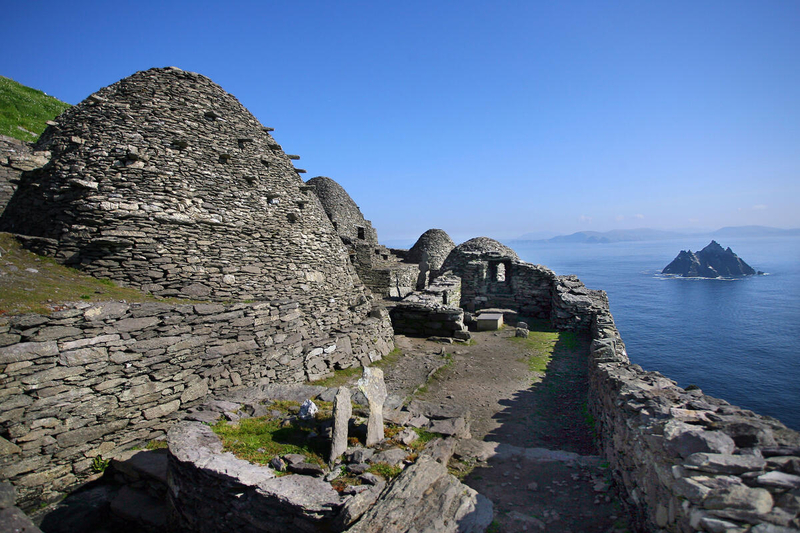

One of Ireland’s most breathtaking and brutally unforgiving heritage sites is welcoming visitors back. Sceilg Mhichíl, the UNESCO World Heritage Site jutting dramatically off the Kerry coast, reopens for landing tours on 9 May 2026, with the announcement coming from the Office of Public Works. Kevin “Boxer” Moran confirmed the news, describing himself as “delighted,” a word that somehow undersells what is, by any measure, an extraordinary place.

The island holds St. Fionán’s monastery near its summit, a collection of beehive-shaped stone huts built by early Christian monks who apparently decided that isolation, Atlantic gales, and a near-vertical climb constituted ideal spiritual conditions. They weren’t wrong, exactly. The place radiates something ancient and genuinely unsettling, in the best possible way. It’s among Ireland’s earliest monastic foundations, and the sheer audacity of its existence still lands like a quiet punch.

The audacity of its existence still lands like a quiet punch,  ancient, unsettling, and utterly indifferent to your awe.

Getting there requires planning, patience, and a working knowledge of your own physical limits. The boat trip from Portmagee Marina runs approximately 45 minutes each way, departing once daily for landing tours between 9 May and 30 September 2026. Eco Boat Tours, offering views without landing, run a slightly longer season, from 29 April to 4 October 2026. Access isn’t guaranteed; weather, sea conditions, and the island’s own mercurial personality all have veto power over any given day’s visit.

Once ashore, visitors should expect a 2.5-hour experience that demands real physical effort. The steps are steep, uneven, and genuinely slippery when wet, which, given that this is a rock in the North Atlantic, is frequently. Falling rocks add another layer of excitement nobody asked for.

The site is unmanned outside designated visitor hours, meaning arriving without a proper booking isn’t just inconvenient, it’s prohibited. Children under 12 are not permitted, full stop, and visitors must remain on recognised pathways throughout.

Advance booking is non-negotiable for the summer season. Before completing any reservation, prospective visitors must watch a mandatory safety video, not a suggestion, not a formality, but a genuine prerequisite. Details live on the heritage website, with enquiries directed to a designated contact address. Operators like Casey’s Skellig Islands run tours from Portmagee Marina (GPS: 51.886400, -10.365600) for anyone who needs coordinates to feel prepared.

Carrying water and wearing protective clothing round out the practical checklist. The island also sits conveniently near Little Skellig, home to the second largest gannet colony in the world, an absurd bonus for birdwatchers who somehow thought the monks were the main attraction. The surrounding waters and island terrain form an environmentally sensitive area subject to active conservation efforts, a designation that shapes how access and visitor numbers are managed. During the Penal Laws, the island served as a haven for Catholics, a fact that adds yet another layer of weight to an already heavy place. The broader shift toward rural tourism potential across Ireland has brought renewed attention to remote sites like this one, where authentic experiences far removed from city centres draw travellers seeking something genuinely irreplaceable.

Sceilg Mhichíl doesn’t accommodate the casual or the unprepared. It rewards the deliberate ones who book early, watch the video, respect the rules, and show up ready to be genuinely humbled by something that has survived centuries without caring much about the opinion of visitors.

What to Know Before You Go (And Why Portmagee Deserves More Than a Pit Stop)

The island’s summit monastery, founded by early Christian monks and centred around St. Fionán’s beehive huts, remains one of the most astonishing acts of spiritual endurance in Irish history. Ancient, isolated, and utterly exposed to the Atlantic, Sceilg Mhichíl still feels less like a tourist attraction and more like an encounter with something timeless.

The Strict Booking Rules You Absolutely Need to Know

Getting there in 2026 is not casual.

  • Landing season runs 9 May–30 September 2026
  • Eco/non-landing tours run 29 April–4 October 2026
  • Advance booking is essential
  • Mandatory OPW safety video before booking
  • Children under 12 are prohibited by OPW (some operators require 14+)
  • Visitors must climb 618 steep, uneven stone steps
  • Tours are weather-dependent and frequently cancelled
  • Arrive prepared with waterproof gear, sturdy footwear, and water

For official planning and safety details: Heritage Ireland Skellig Michael Visitor Info

For boat tours from Portmagee Marina: Casey Skellig Islands Tours


Before You Visit Sceilg Mhichíl: Essential Kerry Checklist

1. Stay in Portmagee the Night Before

Morning departures are early, weather updates can shift plans, and Kerry roads are not where you want to test your timing.

2. Visit Valentia Island

Just across the bridge, Valentia Island offers:

  • Geokaun Mountain & Cliffs
  • Tetrapod Trackway
  • Bray Head Walk
  • Skellig Experience Visitor Centre

3. Check Puffin Season

May to July is prime time for puffins, making your visit even more spectacular.

4. Pack for a Real Atlantic Climb

Think hiking, not sightseeing:

  • Waterproof jacket
  • Layers
  • Hiking boots
  • Motion sickness tablets
  • Snacks

5. Build in Flex Days

The Atlantic cancels plans without apology. Staying 2–3 nights nearby dramatically improves your odds.


Where to Stay in Portmagee (Worth Booking Early)

The Moorings Hotel Portmagee

Star Wars history, waterfront rooms, excellent seafood, and perhaps the most famous base for Skellig travellers.

Stay Skelligs

5.0Holiday apartment rental

A quieter self-catering option with excellent guest reviews and proximity to Portmagee.


Where to Eat in Portmagee

Skellig Seafront Restaurant

3.9RestaurantClosed

Perfect for breakfast or lunch before departure, directly by the marina. Seasonal opening confirmed for 2026.

The Moorings Restaurant & Bridge Bar

Fresh Kerry seafood, hearty portions, and a genuine local atmosphere.


Bonus Experiences Along the Skellig Coast

Don’t make Sceilg Mhichíl your only stop.

  • Skellig Ring scenic drive
  • Kerry Cliffs
  • Ballinskelligs beach and priory
  • Little Skellig gannet colony
  • Dark Sky Reserve in nearby Kerry International Dark Sky Reserve
  • The “Plan B” Guide: What to Do When the Atlantic Says No


    It’s the heartbreak of the Skellig coast: waking up to a text from your boatman saying the swell is too high. If your landing is cancelled, don’t rush off to the next county. Some of the best parts of the “Skellig experience” actually happen on the mainland.

    1. The Skellig Experience Visitor Centre (Valentia Island)

    If you can’t get to the rock, this is the next best thing. Located just across the bridge from Portmagee, it features a 14-minute film that takes you through the monastery, detailed recreations of the beehive huts, and a fascinating look at the life of the Skellig lighthouse keepers.

    • Bonus: They often run “Around the Island” cruises even when landings are prohibited, as these boats don’t need to dock at the pier.

    2. The Kerry Cliffs (Foilnageragh)

    Just a 5-minute drive from Portmagee, these cliffs rise 300 meters above the ocean. On a clear day, they offer the most spectacular panoramic view of the Skelligs. It’s a great way to “see” where you were supposed to be while keeping your boots dry.

    • Entry: Usually around €5. There’s a coffee trailer at the top for a “consolation” hot chocolate.

    3. Skelligs Chocolate Factory (St. Finian’s Bay)

    Follow the Skellig Ring to the edge of St. Finian’s Bay. This is a working open-plan factory where you can watch the magic happen and—more importantly—sample the goods. Their “Skellig Rocks” (honeycomb chocolate) is a local legend.

    4. Ballinskelligs Abbey & Castle

    Drive around to the village of Ballinskelligs. The Augustinian Priory here was founded by the monks when they finally left the island in the 13th century. Walking through the ruins of the abbey while looking out at the island in the distance provides a powerful sense of historical closure.

    5. Portmagee Whiskey Distillery

    If the sea was too rough, a “Sea Shanty” whiskey or a local gin at the village distillery is a perfectly acceptable way to spend an afternoon. They offer tours and tastings that dive into the smuggling history of the village.

    Pro Tip: If your boat is cancelled, ask your skipper immediately if there is space the following morning. This is why we recommend building in 2–3 “flex days” in Kerry!


Irish Tourist Radio Tip:

Sceilg Mhichíl is not a “tick-the-box” destination. It rewards preparation, patience, and respect. Book early, stay local, and treat Portmagee not as a departure point, but as part of the adventure. Between Atlantic crossings, ancient monastic stonework, puffins, Kerry seafood, and the wild Skellig Ring, this is one of the rare Irish journeys that can genuinely feel life-altering.

Sceilg Mhichíl doesn’t bend for convenience, and that’s precisely why it matters.


Leave a Reply
You May Also Like

Why Ireland’s Most Charming Town Might Be Better for You Than Dublin

While Dublin buzzes with tourists, Ireland’s charming towns offer authentic music, ancient history, and occasional sheep parades. These hidden gems distill the true Irish experience. Locals know better.

Locals Build Their Own Greenway to Compete for Wild Atlantic Way Tourist Gold

How local Irish communities hijacked abandoned railways to create economic lifelines, defying regulations and capturing Wild Atlantic Way tourism gold. Their homegrown solution works.

Ireland’s Coastal Midpoint Hides a Lively Horse Town Tourists Often Miss

Ireland’s hidden medieval gem isn’t coastal at all—it’s a vibrant horse town where champion thoroughbreds roam ancient walled streets. The €1.6 million equestrian experience awaits curious travelers who venture beyond typical tourist routes.

How Irish Lighthouses Quietly Drew 350,000 Visitors, And Shook Up Coastal Tourism

While tourists flock to crowded Irish attractions, old lighthouses quietly generated €33 million for coastal communities and supported nearly 700 jobs. These beacons are revolutionizing rural tourism.