The Crumbling Heart: O’Connell Street and the Visible Decay
O’Connell Street, Dublin’s grand thoroughfare, its Champs-Élysées (or so the planners once hoped), has become a monument to managed decline, a slow-motion architectural collapse that anyone with functioning eyeballs can witness on an afternoon stroll.
Facades crack like dried riverbed mud. Boarding covers shopfronts where businesses surrendered years ago, graffiti claiming the plywood like territorial markers. The upper stretch shows particularly dramatic neglect, structural wounds left gaping, untreated, as if the city simply looked away and kept walking.
This wasn’t always decay. During the 1922 Civil War, artillery bombardment leveled forty-one buildings, fires consuming entire blocks until the street resembled a war documentary.
Upper O’Connell suffered the worst: the Edinburgh Hotel, the YMCA building gone entirely, replaced eventually by whatever architectural afterthoughts could be bothered.
The rebuilding that finally began in 1924’s second half came after statutory delays and the passage of emergency legislation, compensation money trickling through bureaucratic channels while the ruins waited.
Only Number 42 survives from the original 1750s Georgian development, a lone elderly witness surrounded by betting shops and chicken joints, wondering what the hell happened. Within a 300-metre stretch, three empty and derelict buildings stand as particularly stark monuments to abandonment, their darkened windows watching the street’s slow dissolution.
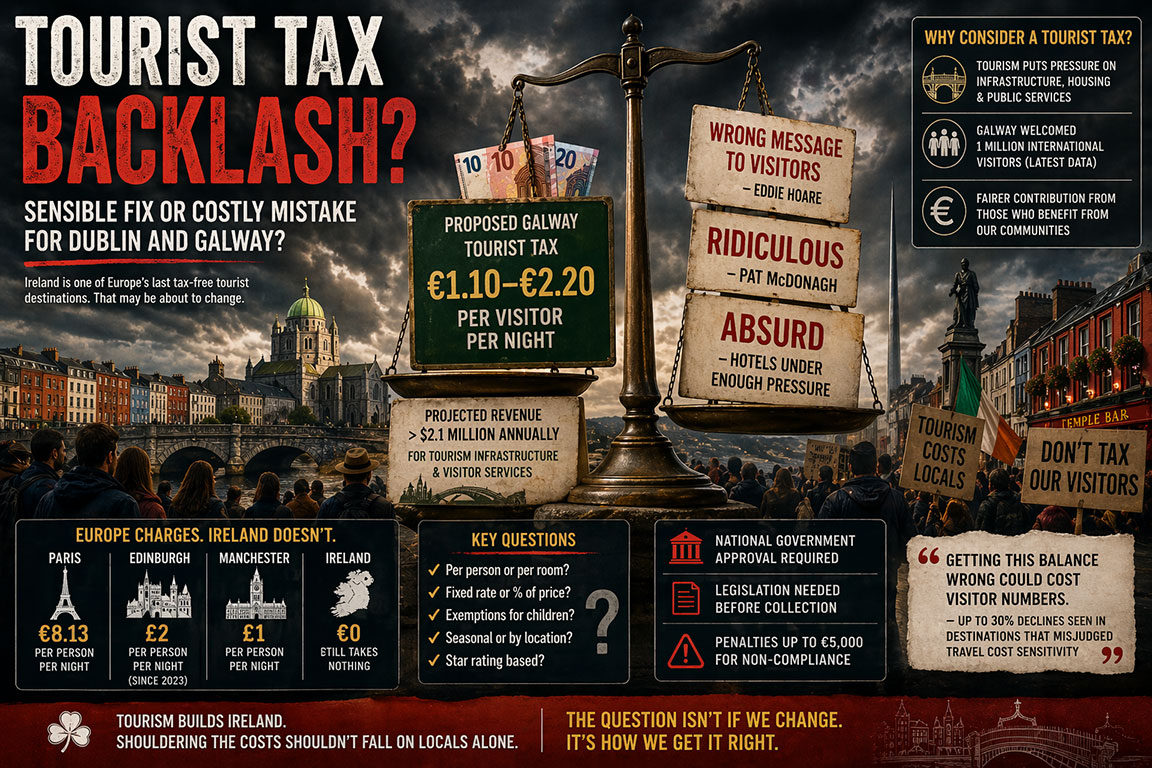
While tourists flock to commercial attractions like Guinness and Temple Bar, these historic streets tell a more authentic story of Ireland’s struggle between preservation and economic necessity.
Beyond the Statistics: What Keeps Me Rooted in Dublin
Loyalty is the stubborn tether that makes no rational sense when you’re explaining to someone from Barcelona or Copenhagen why you haven’t fled a city with medieval public transport and rent that would make a cartel boss blush.
The statistics tell one story: 82-year life expectancy, tech jobs sprouting like weeds after rain, literary festivals that fill every calendar gap.
But those numbers don’t capture the Thursday night in McGovern’s when a stranger buys you a pint because your face looked like it needed one, or the way neighborhoods still feel like villages despite the glass towers multiplying overhead.
It’s the Polish bakery next to the Lebanese grocer, the busker who knows your walking route, the accidental communities formed in pub corners and park benches.
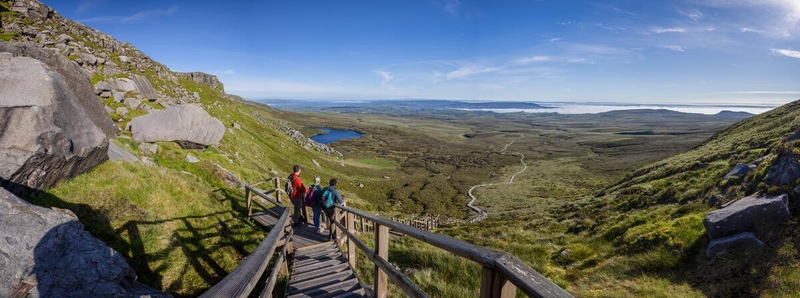
I’ve discovered a new affection for the Coastal Trail, which offers locals and visitors alike a refreshing alternative to the congested city center attractions.
Dublin’s chaos, the crumbling facades, the inexplicable traffic, becomes familiar terrain, territory you’ve mapped through years of navigation. The Quality of Life Index sits at 153.42, somehow quantifying what feels unquantifiable about a place that frustrates and embraces you in equal measure. Yet somehow this city manages 40% green mobility, proving that even amid the mess, it’s quietly shifting toward something better.
Home isn’t always the place that works best. Sometimes it’s just the place that knows you.