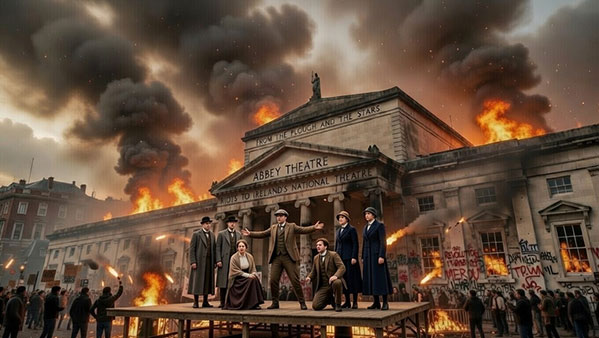
Ireland rewards visitors regardless of season—though spring and summer offer warmth while winter brings bargains. For countryside exploration, driving provides freedom despite left-side challenges, while accommodations range from hostels to manor houses. Authentic cultural experiences happen organically in local pubs where music and storytelling unfold nightly. Pack layers for unpredictable weather, request automatic vehicles in advance, and embrace the Irish philosophy of finding joy in unexpected moments. The emerald landscapes await your discovery.

The Emerald Isle beckons with a siren song of rolling green hills, ancient castles draped in mist, and pubs alive with traditional music—a landscape both physical and cultural that's impossible to resist.
Travelers planning their Irish adventure should consider timing carefully; spring and summer offer warm weather and extended daylight hours, though the country's notorious rain doesn't observe seasonal boundaries. June through August brings the highest tourist densities alongside vibrant festivals, while November to March delivers bargain prices and blissfully uncrowded attractions—a trade-off against shorter, often dreary days.
When to visit Ireland becomes a delicate balancing act between sunshine, solitude, and savings—each season offering its own enchanted trade-offs.
Ireland rewards the intrepid driver with unparalleled flexibility, particularly when exploring its rural treasures. The Ring of Kerry, Dingle Peninsula, and Cliffs of Moher—those postcard-perfect natural wonders—reveal themselves most intimately to those willing to navigate left-side driving and lanes barely wider than a sheep's ambitions. Many experienced travelers recommend the Dingle Peninsula over the more crowded Ring of Kerry for its equally stunning views and more authentic experience.
For the faint of heart, efficient public transport connects major cities, while tour buses tackle scenic routes with practiced ease.
Accommodation planning demands foresight—summer bookings vanish faster than whiskey at an Irish wake. Options span from humble hostels to manor houses that let ordinary mortals play aristocrat for a night.
Budget-conscious travelers might consider self-catering accommodations, where cooking meals provides both cultural immersion and financial salvation from Ireland's surprisingly wallet-draining restaurant scene.
The quintessential Irish experience happens after dark, when local pubs transform into impromptu concerts of traditional music, storytelling, and the particular brand of warm conversation that flows as freely as the Guinness. Visitors seeking authentic cultural encounters should prioritize traditional pubs where locals gather to share music and stories passed down through generations.
These venues—equal parts living room, community center, and cultural archive—offer authentic encounters impossible to schedule or fabricate.
For those renting cars, it's worth noting that many Irish vehicles come with manual transmission as the default, so requesting an automatic in advance is advisable if you're not comfortable with stick shift.
Ireland maintains a reputation for safety, though its weather remains defiantly unpredictable—often delivering four seasons before lunchtime.
Preparation means layers, waterproofing, and a philosophical acceptance that rain-soaked adventures often become the stories most fondly retold. The Irish themselves understand this perfectly, having cultivated a culture that finds joy in the journey rather than merely the destination—perhaps the most valuable souvenir any traveler can bring home.