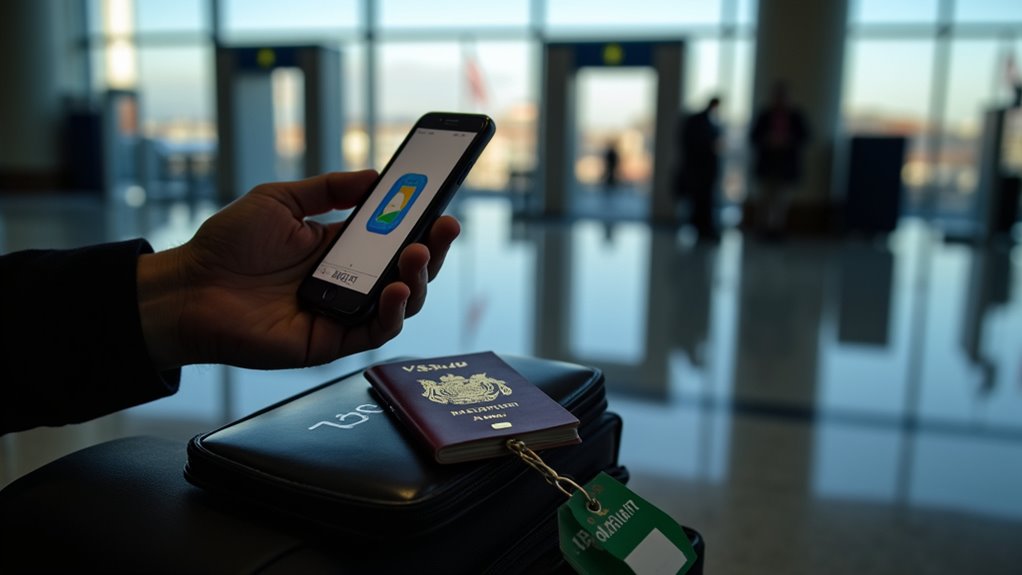

Social media platforms have found themselves at the center of an ongoing firestorm surrounding content moderation—particularly when it comes to posts by or about former President Donald Trump. Recent reports suggest Irish travelers have been discreetly cautioned about potential consequences of anti-Trump content on their social media accounts when entering the United States—a claim that highlights the complex intersection of content policies, freedom of speech, and international travel.
The digital tightrope walk continues as international travelers face scrutiny not just for their luggage, but their online opinions.
The suspension of Trump’s Twitter account on January 8, 2021, created ripples across the digital landscape, demonstrating the real-world power wielded by social media companies. When Twitter finally pulled the plug—citing violations against inciting violence—the platform measured a marked decrease in toxicity among his followers and their networks.
Like dropping a stone in a digital pond, the effects spread outward, reshaping entire communities. This situation raises thorny questions about the Presidential Records Act—does deleting presidential tweets constitute a violation? The law, designed for an era of paper memos and typewriters, now grapples with the ephemeral nature of social media posts. Legal experts remain divided, scratching their heads over 21st-century communication in a 20th-century legal framework. The National Archives has specifically advised the White House to preserve all deleted tweets as part of maintaining official presidential records.
Meanwhile, travelers from Ireland find themselves caught in this geopolitical tangle. The warning—however unofficial—reveals the sometimes invisible threads connecting online behavior to real-world consequences. Medical organizations have expressed alarm that the removal of terminology related to diversity, equity, and inclusion from federal websites threatens public health information access. One moment you’re posting a snarky Trump meme from your Dublin flat; the next, you’re explaining yourself in a windowless room at JFK.
Social media platforms continue their high-wire act—balancing user expression against community safety, profit against principle. Their AI moderators scan billions of posts, catching many violations while occasionally snagging innocent content in their algorithmic nets.
For Irish travelers contemplating that Vegas holiday or New York shopping spree, the situation presents a peculiar calculation: Is that anti-Trump post worth the potential hassle? In the digital age, borders aren’t just lines on maps—they’re increasingly becoming checkpoints for our online personas too.