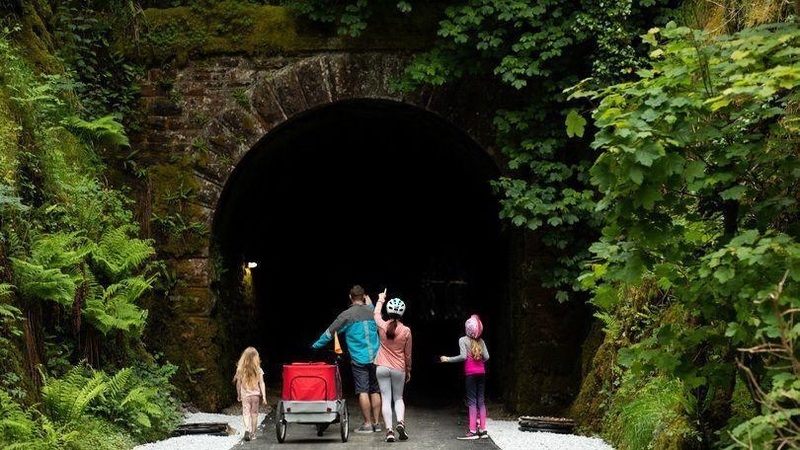
Stretching along Ireland’s rugged Atlantic coast, where windswept cliffs meet crashing waves and ancient stone walls divide emerald fields, local communities are transforming abandoned railway lines and forgotten pathways into something extraordinary: greenways that weave through the Wild Atlantic Way like threads of possibility.
These aren’t government megaprojects—they’re grassroots endeavors born from pub conversations and parish meetings, where locals decided they’d waited long enough for someone else to capitalize on the tourism boom thundering past their doorsteps. Armed with shovels, fundraising raffles, and the kind of determination that comes from watching tour buses speed through without stopping, communities from Westport to Achill Island are building their own economic lifelines.
Communities armed with shovels and determination build their own economic lifelines from abandoned railways
The formula proves deceptively simple: take one disused railway bed (preferably overgrown with brambles), add volunteer sweat equity, sprinkle with EU grants when available, and suddenly you’ve created a magnet for lycra-clad cyclists and walking-boot tourists who actually spend money in local cafes instead of just photographing them through car windows.
These greenways—designed with an almost religious dedication to minimal environmental disruption—snake past Clew Bay’s scattered islands and through Connemara’s bog-scented wilderness, offering the kind of slow-travel experience that Instagram-obsessed visitors crave. The paths connect seamlessly to the Wild Atlantic Way’s 14 distinct stages, allowing adventurers to explore specific sections while experiencing both coastal drama and inland tranquility. In County Mayo, the Clew Bay Bike Trail exemplifies this integration, drawing cyclists to experience the bay’s legendary 365 islands while supporting local businesses along the route.
Property values climb wherever these paths appear, transforming sleepy villages into destinations where abandoned shops suddenly sport “artisan” signs and B&Bs multiply like spring wildflowers. Yet challenges persist: planning regulations that move at geological speeds, maintenance costs that never end, and the delicate dance of welcoming tourists while preserving what made these places special in the first place. The initiative aligns perfectly with Ireland’s regenerative tourism approach, focusing on enhancing destinations rather than simply maintaining them.
What emerges from this community-driven transformation exceeds mere infrastructure. These greenways represent something more profound—a refusal to remain scenic backdrop in someone else’s journey.