Ryanair has sounded the alarm over the EU’s new Entry/Exit System, a digital border overhaul that swaps the satisfying thud of a passport stamp for fingerprints, facial scans, and, apparently, queue times that could rival a Saturday afternoon at IKEA. The airline’s warning isn’t subtle: this system could turn routine border crossings into endurance tests, particularly at busy airports during peak travel periods.
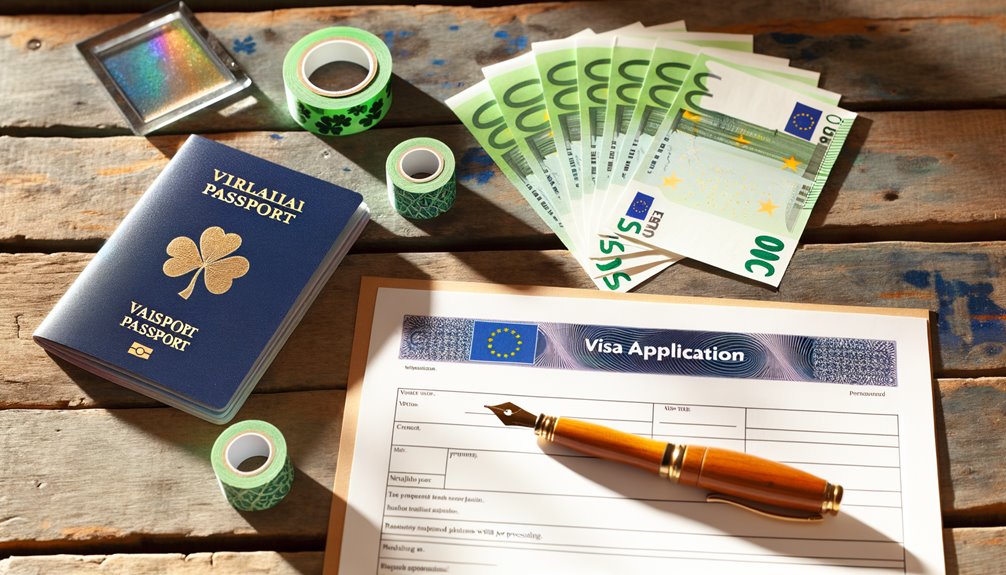
The EES, active across all Schengen external borders since April 2026, was designed with a sensible enough premise. Non-EU travellers have always had a 90-day visa-free window, but enforcement relied on border agents manually flicking through passport pages and doing mental arithmetic. The new system replaces that with digital registration passport scans, fingerprints, and a facial image, creating a tidy electronic record of every entry and exit.
Efficient in theory. Considerably less so when several hundred passengers are funnelling through Málaga airport on a Tuesday morning in July.
Ryanair’s concern centres on the bottleneck effect. Biometric capture adds several minutes per person even under ideal conditions, and ideal conditions at airports are something of a mythological concept. Reports from early rollouts cite queues of one to two hours at some checkpoints, with Spanish airports Palma de Mallorca, Málaga, and Madrid-Barajas among them recording waits stretching up to three hours during peak periods.
French airports, including Beauvais, Marseille, and Nantes, have also featured in related reporting. The queues don’t stop at border control; either congestion can spill backward through the terminal, clogging security lines before passengers even reach passport checks.
Who’s actually affected? Non-EU, non-EEA, and non-Swiss passport holders travelling into or out of the Schengen Area. UK travellers fall squarely into that category Brexit’s long administrative tail as do Irish travellers on Schengen-to-Ireland routes, since Ireland sits outside the Schengen zone.
EU, EEA, and Swiss passport holders are untouched. And flights entirely within Schengen, Spain to Italy, Germany to France, carry on as before, blissfully unbothered.
Ryanair has done more than simply flag the inconvenience. The airline actively pushed for a temporary suspension of the EES during the peak summer travel period, arguing that stacking a brand-new biometric system onto the busiest weeks of the year was, to put it diplomatically, ambitious. Routes between the Schengen Area and Ireland, the UK, Cyprus, Albania, Montenegro, Serbia, Türkiye, Egypt, and Israel are among those most exposed to the disruption.
The broader irony isn’t lost: a system designed to make border management smarter is currently making border crossings slower. Notably, Greece has already acted on these concerns, with the Greek Embassy announcing exemptions from biometric registration for UK nationals amid mounting delays. Passengers are advised to follow EES signs at the airport, ensuring they move through the correct channels and avoid compounding the delays further.
Whether that shakes out as the EES beds in, or whether summer 2026 becomes a masterclass in queue-related despair, remains to be seen. Ryanair, for one, isn’t waiting around to find out.
What This Means for Tourists Visiting Ireland
For travellers planning a trip to Ireland, the good news is that Ireland is not part of the Schengen Area, meaning visitors arriving directly into Ireland will not be subject to the EU’s Entry/Exit System (EES) when passing through Irish border control.
However, many international visitors combine Ireland with trips to popular European destinations such as Spain, France, Italy, Portugal, or Greece. If your itinerary includes travel into or out of the Schengen Area, particularly through major airports during the busy summer season, you may encounter longer-than-normal queues as the new biometric checks are carried out.
Tourists travelling from the United States, Canada, Australia, New Zealand, the United Kingdom, and many other non-EU countries should allow extra time when connecting through Schengen airports. First-time registration under the EES requires fingerprint scans and a facial photograph, which can add several minutes to the border control process.
Visitors flying between Ireland and Schengen countries should also be prepared for potential delays at departure and arrival airports, especially during peak holiday periods. Travel experts recommend arriving at the airport earlier than usual, following EES signage carefully, and ensuring passports remain valid for the duration of travel.
While the system is expected to become more efficient as airports and passengers adapt, travellers heading to Ireland as part of a wider European holiday should factor in the possibility of longer waits at some EU border crossings. A little extra planning could help avoid unnecessary stress and ensure more time is spent enjoying Ireland’s stunning landscapes, vibrant cities, and famous hospitality rather than standing in airport queues.