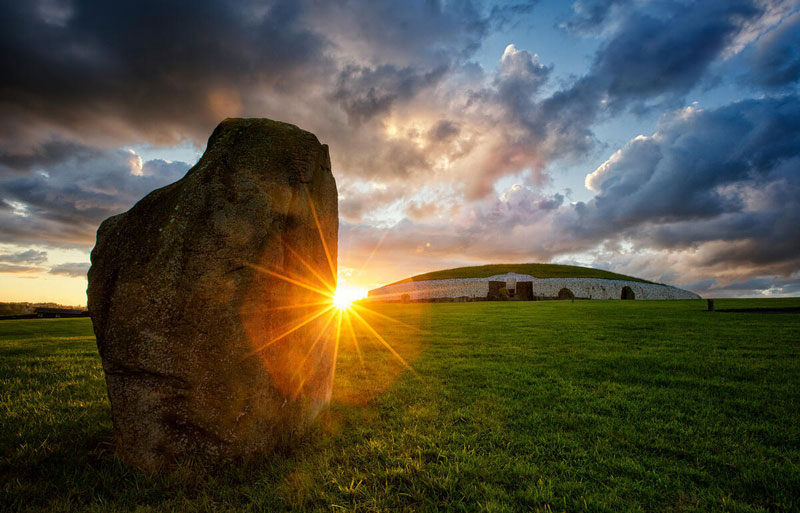
While most of Europe’s islands lure travelers with promises of sun-drenched beaches and azure waters, Ireland, rain-soaked, wind-battered, defiantly green, has somehow become the continent’s most magnetic destination, drawing 11.3 million overseas visitors in 2024 and eclipsing even its pre-pandemic highs. The numbers tell a curious story: tourists forecast to reach nearly 12 million in 2025 aren’t coming for guaranteed sunshine or Mediterranean coastlines. They’re coming for something else entirely, something that survives the drizzle and thrives in the mist.
Ireland’s magnetism defies tourism logic: 11.3 million visitors in 2024 chose mist and rain over Mediterranean sunshine.
The island’s appeal defies conventional tourism logic. Great Britain sends roughly 35% of visitors, Continental Europe another 31%, and North America, increasingly enamored, accounts for nearly 30%, with American and Canadian arrivals surging 33% compared to 2023. These North American visitors now drive 44% of total tourism expenditure, dropping €283 million in June 2025 alone, seemingly unbothered by exchange rates or the fact that “summer” here means temperatures barely cracking 20 degrees Celsius.
They stay an average of 7.3 nights, wandering through landscapes that shift from emerald valleys to slate-gray cliffs within a single county’s bounds. What keeps pulling them back transcends weather reports. Ireland offers festivals that transform Dublin’s streets into rivers of green each March, pubs where conversation remains an art form rather than background noise, and coastlines dramatic enough to make the Cliffs of Moher feel like the edge of civilization itself. This appeal is further enhanced by Ireland’s commitment to regenerative tourism, which focuses on revitalizing landscapes and communities rather than simply preserving them.
The island’s authenticity, genuine, unpolished, occasionally brusque, resonates with travelers exhausted by sanitized experiences elsewhere. Winter brings Christmas markets and turf-fire warmth; summer delivers endless June evenings perfect for outdoor rambles, even if those rambles require waterproof jackets. Most visitors split their time between hotels (47%) and stays with friends or family, creating a tourism landscape that balances commercial hospitality with personal connections.
The economic machinery hums accordingly. Tourism generated €647 million in June 2025 alone, with projections pushing the travel market to $3.11 billion this year and $4.24 billion by 2030. Northern Ireland captures its share too, £207 million in Q1 2025 from 926,000 overnight trips, benefiting from a 15% increase in visitors from the Republic.
This isn’t money extracted from cruise-ship passengers hustled through gift shops; it’s revenue from genuine engagement, meals lingering past midnight, and accommodation choices spanning castle hotels to coastal cottages. The sector now supports ~260,000 jobs nationwide, anchoring communities from coastal villages to city centers.
Mid-2025 showed some wobbles. May arrivals dropped 10% from the previous year, Continental European visitors declined 6% in June, but North American growth compensated, suggesting the island’s appeal remains selective rather than universal.
Perhaps that’s fitting. Ireland never promised easy beauty or effortless charm. It offers instead a landscape that demands attention, weather that builds character, and human connections forged over shared pints and stories that meander like country roads.
In an age of algorithmic recommendations and curated Instagram perfection, there’s something profoundly appealing about a place that remains stubbornly, magnificently itself, rain and all.